5 Things to Know Before Sourcing Commodities from Africa
Africa is one of the world’s most important commodity regions, supplying cocoa, coffee, shea butter, cashew, sesame, minerals, and agricultural products to global markets. Yet, for many international and regional buyers, sourcing African commodities remains complex, risky, and inefficient.
Before engaging suppliers or committing capital, businesses must understand the realities of African commodity sourcing, the risks involved, and how modern trade infrastructure can help you simplify the process. Below are five critical things every buyer should know before sourcing commodities from Africa.
1. Understand Your Commodity Needs and Target Market
Successful African commodities sourcing begins with clarity. Buyers must define what they are sourcing, in what quantity, and for which market.
This includes:
- Knowing what their country regulation says about that particular product
- Consumer preferences for ethically sourced and traceable products
- Required quality grades and certifications such as ISO, Fair Trade, or Organic
- Applicable national quality standards
This applies to both local and international buyers.
Without this foundation, buyers risk mismatched suppliers, inconsistent quality, and costly delays. A structured sourcing process is essential before engaging African commodity suppliers.
2. Finding Reliable African Suppliers Is Harder Than It Looks
One of the biggest misconceptions in how to source African commodities is assuming that more suppliers mean better outcomes. In reality, the African trade landscape is fragmented and largely informal.
Buyers often rely on:
- Referrals with limited verification
- Trade fairs and government directories that are outdated
- Online searches that surface unverified suppliers
This approach exposes businesses to risks such as fraud, inconsistent quality, limited production capacity, and poor contract enforcement. Conducting due diligence on dozens of suppliers across different countries is time-consuming and expensive.
This is where a curated African sourcing platform becomes critical. Instead of navigating millions of suppliers independently, buyers need access to vetted producers operating within a structured trade environment.
3. Due Diligence and Compliance Are Non-Negotiable
Effective African commodity sourcing requires rigorous due diligence. Buyers must verify:
- Legal registration, licenses, and certifications
- Production capacity and quality control processes
- Compliance with labor, environmental, and anti-corruption standards
In addition, contracts must clearly define:
- Quality specifications and inspection procedures
- Payment terms and delivery timelines
- Dispute resolution and enforcement mechanisms
Many sourcing failures in Africa occur not because suppliers are incapable, but because buyers lack the infrastructure to enforce standards consistently across borders.
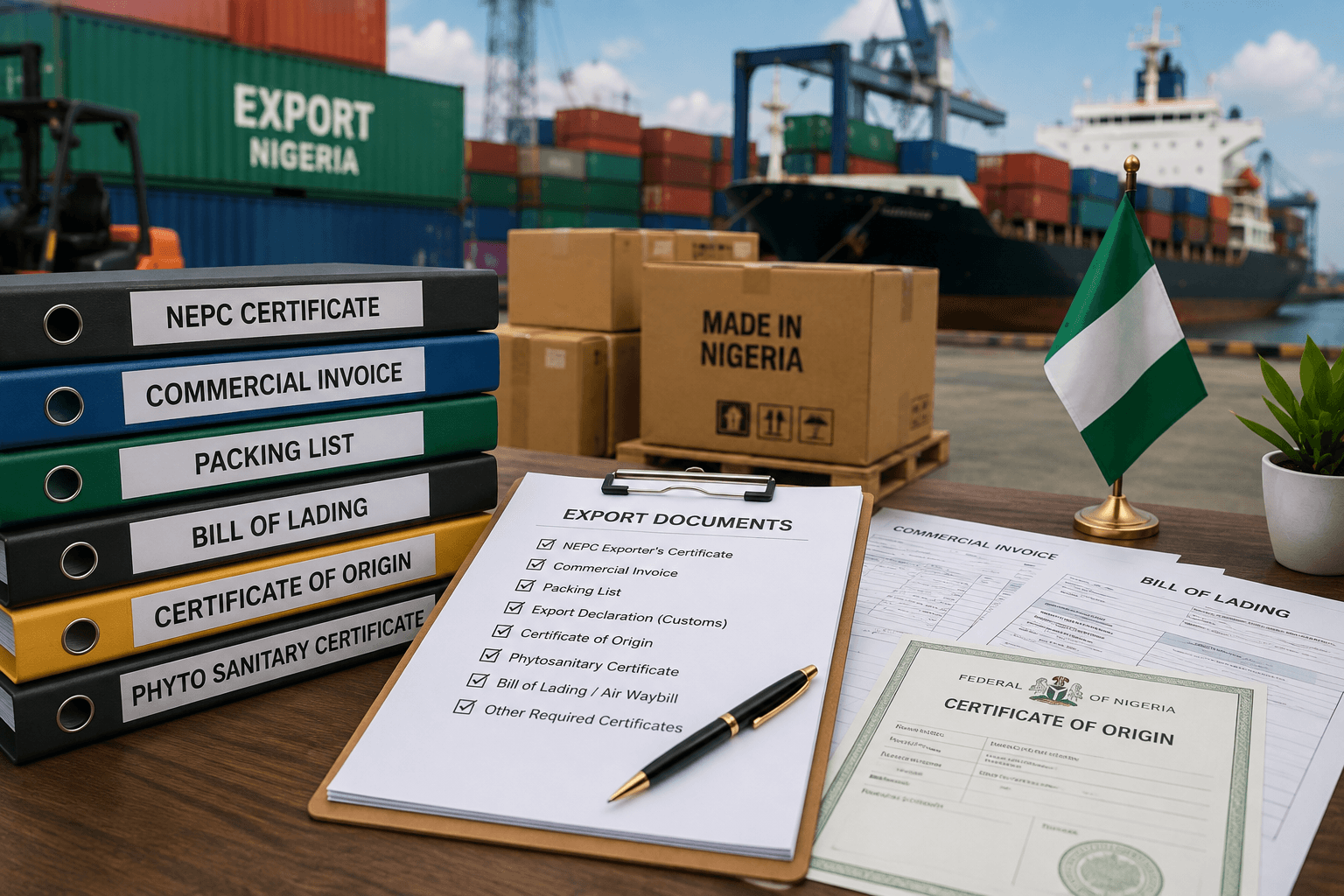
Using a trade infrastructure platform like Kuraway simplifies this process by embedding verification, documentation, and compliance into the sourcing workflow.
4. Logistics and Supply Chain Complexity Can Erode Margins
Managing the African commodity supply chain is one of the most underestimated challenges for buyers.
Key considerations include:
- Choosing the right transportation mode (sea, air, road, or rail)
- Navigating customs clearance and export regulations
- Managing insurance and shipment risks
- Mitigating delays caused by port congestion or regulatory bottlenecks
Without local knowledge and reliable partners, logistics inefficiencies can quickly erode margins and disrupt supply commitments.
Kuraway reduces these risks by coordinating logistics and trade operations through a single platform, allowing buyers to track shipments, manage documentation, and ensure predictable delivery outcomes.
5. Infrastructure Matters More Than Supplier Volume
The most important lesson in sourcing African commodities for business is this: success depends less on how many suppliers you know and more on the infrastructure supporting your trade.
Traditional sourcing methods force buyers to act as:
- Supplier verifiers
- Logistics coordinators
- Compliance officers
- Payment managers
This model does not scale.
Kuraway operates as a trade infrastructure, not just a marketplace. It connects buyers to trusted African suppliers, settle payments (Direct or Escrow), documentation, logistics coordination, and compliance into a single system. This allows businesses to focus on growth rather than operational friction.
Instead of searching endlessly for suppliers, buyers can source through Kuraway with confidence, transparency, and efficiency.
In summary,
Sourcing commodities from Africa presents significant opportunities, but only for buyers that approach it strategically and relies on a strong trade infrastructure essential for long-term success.
Kuraway simplifies African commodity sourcing by providing a reliable platform where buyers can connect with vetted suppliers, manage trade operations, and reduce risk across borders.
If you are looking to source African commodities without navigating fragmented supply chains or unverified suppliers, Kuraway offers a smarter, more efficient path forward.
Visit Kuraway today, submit a quote and access trusted African suppliers through a structured, end-to-end trade platform.